Hugh’s views: Helping Nature Part 2 #158
The ongoing urbanisation of Amble looks set to continue for years to come. Housing developments have swallowed up green spaces at an alarming rate. The Braid remains the greatest loss with the extinction of such a bio-diverse plant community.
Yet there are still several green spaces remaining within Amble which offer potential opportunities for nature to flourish.
The large grassland area surrounding Coquet Vets is a good example. The area used to be mown regularly but has remained untouched for the last couple of years allowing taller plants to colonise. Last year purple flowered knapweed, an important butterfly food plant, appeared in greater numbers in this area along with bright yellow common ragwort, a notifiable weed, unfairly so in my opinion, which is also favoured by many of our pollinators. These wild flowers, if allowed to flourish, could support a considerable insect population which in turn would support many insect eating birds such as swallows, house martins and swifts.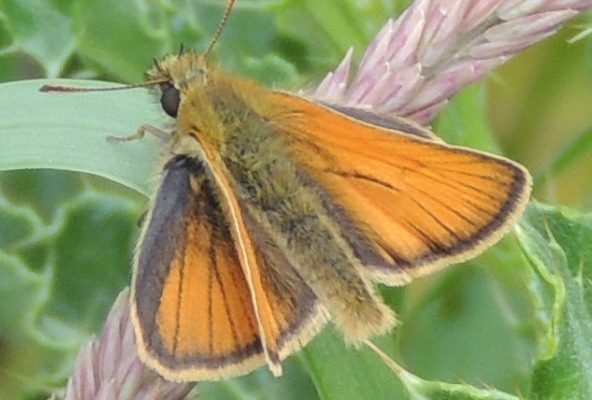
The Coquet Industrial Estate could also help nature if future developments would incorporate nature friendly areas within their footprint. One section of the park which is currently for sale and looks rather neglected has nevertheless developed a very diverse natural community.
The plot contains a shelter belt of willow and poplar trees which were coppiced a few years ago and is now populated by birds and small mammals, as well as a large area of grassland colonised by knapweed, ragwort and some creeping thistle all of which are nectar rich and very attractive to butterflies. The tall grasses shelter their eggs, caterpillars (larvae) and pupae so that species such as meadow brown, ringlet and small skipper now flourish there. Clumps of bramble provide roosting cover and are also attractive to the speckled wood.
In order to observe these less well- known and not so obvious species just look for the flowers as they appear, usually creeping thistle first followed by ragwort and knapweed. The adult butterflies emerge as these plants start to flower, so in June and July expect to see small skippers perhaps accompanied by small tortoiseshells which also have a preference for creeping thistle in particular, as they sip the life-giving nectar.
Look out for these small sublime beauties on sunny, less windy days when the males engage in their courtship flights, rarely flying above the tallest stems except on the quietest days, flighting through the tall grasses in this surprisingly diverse habitat.
Hugh Tindle