
Hope for England’s rarest breeding seabird
RSPB wardens on Coquet Island are celebrating reaching a record number of nesting Roseate Terns, the highest in over fifty years, since taking on the management of this dedicated wildlife sanctuary. Just a mile offshore from Amble, RSPB Coquet Island is home to around 45,000 breeding seabirds and supports internationally important populations of Roseate Terns, Puffins, Common and Arctic Terns, Kittiwakes, Fulmars, Eiders and several gull species.
Coquet Island’s annual seabird census has recorded 155 nesting pairs of Roseate Terns – surpassing a previous high of 154 pairs in 2022 (before Avian flu took hold and caused devasting impacts on the seabird colony).
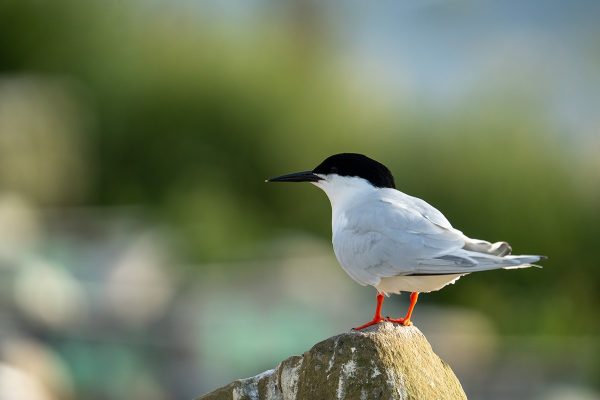
Roseate Tern photo Nicholas-Rodd.
The highest ever number of Roseate Terns was reached back in 1967 when there were 230 pairs nesting on the island. There were 355 pairs in the whole of England in 1970 but by 1985 numbers had crashed to just 34 pairs.
For over fifty years the RSPB has been working to create the right conditions for these rare seabirds to thrive. Whilst these figures mark a key milestone in their recovery, Roseate Tern numbers remain low but are showing an upward trend.
As the UK’s only breeding colony of this rare seabird, RSPB experts say every additional nesting pair represents another step forward in their population recovery.
It will be a few more weeks until all data this year is known, but so far, numbers of fledglings are looking positive too, with over 150 Roseate Tern fledglings already counted and more expected in the coming weeks.
The good news continues beneath the island’s grassy plateau, where 27,170 pairs of Puffins were recorded in breeding burrows – a 45 per cent increase on last year’s count of 18,704 pairs and the highest total since 2018.
“To record the highest ever number of Roseate Terns since we started managing the island is incredibly special” said RSPB Reserve Manager Sarah Dalrymple “Just one extra pair may not sound like much, but when you’re talking about England’s rarest breeding seabird, every pair really matters. Seeing the colony continue to grow is a real cause for celebration.”